How Often Should You Schedule House Washing in North Texas?
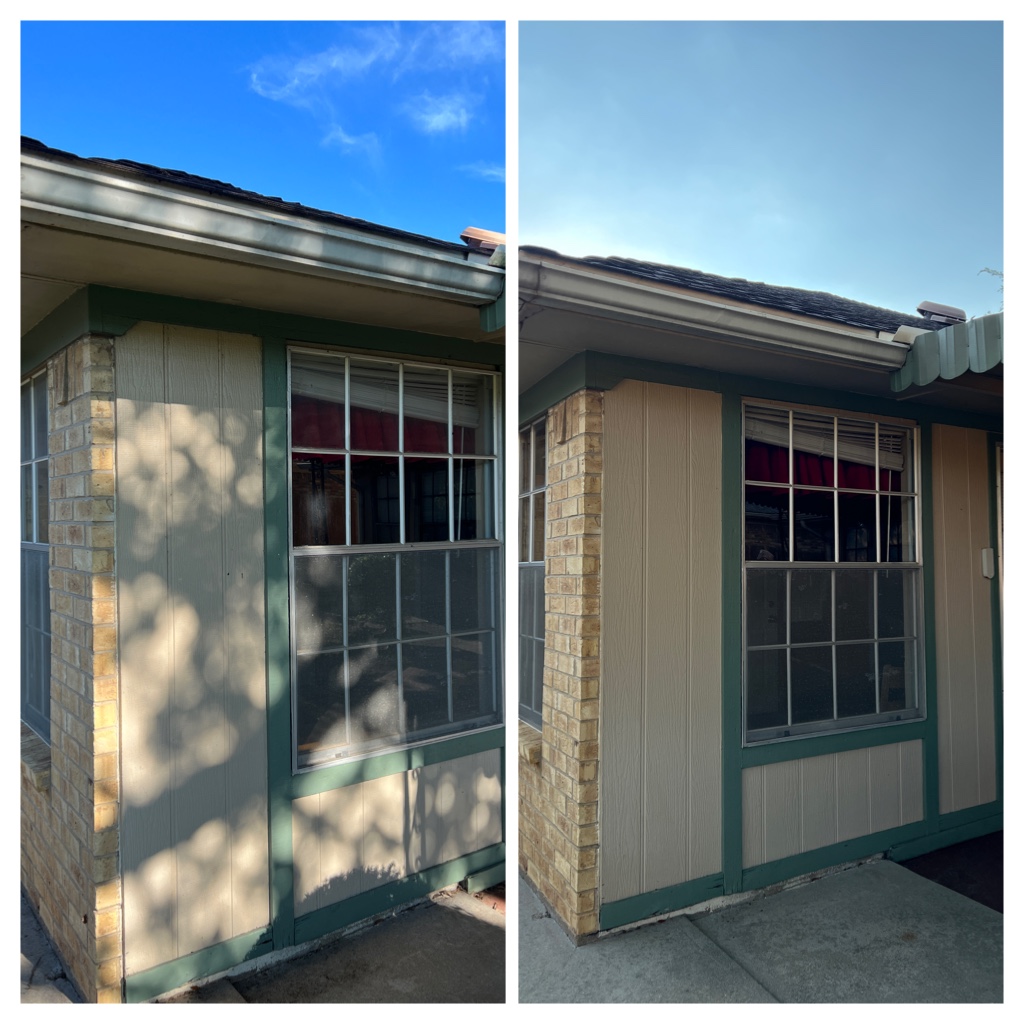
North Texas weather can be tough on a home’s exterior. Between spring pollen film, summer humidity, and dusty winds, buildup shows fast. If you live in Plano, TX, the right house washing schedule protects paint and siding, keeps algae from taking hold, and makes your home look its best all year.
In this guide, you’ll learn a simple, local schedule you can follow and the signs that tell you it’s time. If you want a deeper dive on results and methods, you can also explore our house washing service for details tailored to Plano homes.
Many Plano homeowners start by checking availability for house washing in Plano, TX with Wash This NTX LLC, then align cleanings to pollen and heat cycles. That keeps maintenance simple and curb appeal consistent.
Why Plano Homes Need A Set House Washing Schedule
Plano sits in a warm, humid zone that encourages organic growth on shaded surfaces. After spring, a light yellow-green pollen film can glue itself to paint, brick, stucco, and Hardie board. Once summer heat arrives, that same residue becomes food for algae and mildew. North- and east-facing walls often stay damp longer, which means they color up first and stay dingy the longest.
Traffic dust along major roads like the Dallas North Tollway and US‑75 can also cling to textured stone and brick. New construction nearby kicks up fine sediment that settles on windowsills and trim. All this buildup makes regular washing less of a luxury and more of a preventive plan.
How Often Should You Get House Washing In Plano, TX?
Most Plano homes do well with one thorough house washing every 12 months. Homes under heavy tree cover, near irrigation overspray, or with persistent shade usually benefit from a light cleaning every 6 to 9 months. If your exterior is painted a lighter color or you have a white stone facade, you might notice staining sooner and prefer a slightly tighter cycle.
- Plan for one full house wash every 12 months to reset your exterior and protect finishes.
- Schedule an extra light wash at 6–9 months if your home has dense trees, deep shade, or sits near a greenbelt.
Neighborhoods like Deerfield, Willow Bend, Whiffletree, and Ridgeview Ranch often see faster algae growth on north-facing sides because mature trees keep walls cooler and damp longer.
Seasonal Timing That Works In North Texas
Timing matters as much as frequency. Aligning cleanings with typical North Texas weather patterns gives you more months of a fresh, bright exterior.
- Spring cleaning schedule: Book soon after peak oak and pecan pollen ends. Removing the sticky film early helps slow algae growth through summer.
- Late summer or early fall touch-up: Heat, irrigation overspray, and a long growing season can leave streaks. A light wash restores color before holiday decor goes up.
If you list your home for sale or host large gatherings, consider a “presentation wash” 2 to 4 weeks before photos or events. You get maximum impact when buyers and guests arrive.
What Factors Change Your Ideal Cadence?
Shade, Trees, And Irrigation
North- and east-facing walls grow algae faster because they dry slower. Overhanging trees drip tannins and trap moisture along siding seams. Sprinklers that mist the house add water and minerals to the mix. If this sounds like your lot, lean closer to 6–9 months.
Surface Materials And Color
Painted fiber cement and vinyl show green film quickly. Brick and stone hide dust better but highlight dark algae streaks. Stucco can spot and streak from minerals. Whites and light grays broadcast stains, while variegated stone looks clean longer but may still host growth you cannot see from the street.
Airflow And Sun Exposure
Homes tucked behind hedges or privacy fences get less wind and sun, which slows drying. Corner lots with steady breeze often stay cleaner longer. Track how long exterior walls stay damp after rain to gauge your interval.
Local tip: In Plano, spring pollen film often lingers into April. Cleaning in late April or May removes that sticky layer before summer heat bakes it on. You’ll get a cleaner look for longer and fewer algae streaks by mid-summer.
A Simple Year-Round House Washing Plan
Use this North Texas rhythm to keep things easy:
Late April–May: Full house washing to remove pollen film and winter grime. This sets the baseline for the year. If your siding faces shade or trees, request special attention on those walls.
September–October: Light maintenance wash for shaded sides, soffits, and trim. This refresh handles summer algae and dust, so holiday lights go on clean surfaces and photos look sharp.
That two-step approach fits most Plano homes. If your exterior tends to stay clean, skip the fall visit and stick with one spring cleaning per year.
Signs Your Home Is Due For Cleaning
Not sure if you should call now or wait? Walk around your property on a sunny day and look for these clues:
- Green or black streaks on shaded walls, especially near downspouts and lower courses of siding
- Yellowish haze on ledges and trim that returns after rain
- Dull or chalky paint that catches dust near walkways and driveways
- Spider webs and grime under porch ceilings and around light fixtures
- Hard-water marks where irrigation hits siding or brick
Why Professional Soft Washing Matters
Different materials need different care. Soft washing uses low pressure with targeted cleaning solutions to lift buildup without risking surface damage. That matters for painted fiber cement, vinyl, and delicate trim.
Soft washing is also consistent. The right dwell time and rinse leave fewer streaks and help surfaces stay clean longer. It is a better match for today’s siding systems than aggressive pressure. For delicate roofs and streaked shingles, see our roof cleaning page to keep the whole exterior on the same schedule.
Plano Weather Patterns And What To Expect
Here is what typically drives buildup around Plano:
Spring: Oak and pecan pollen film sticks to paint, screens, and windowsills. Quick removal keeps summer algae from spreading.
Summer: Heat and humidity help algae grow on shaded walls and around hose bibs, AC pads, and low stone ledges.
Fall: Ragweed adds dust and film. Storm fronts can push debris into corners and eaves.
Winter: Fewer blooms and lower sun angles can still leave moisture on north-facing walls. A clean surface dries faster and shows fewer water spots.
Recommended Cadence By Home Situation
Homes Under Mature Trees
Consider two visits per year. Shade plus leaf litter equals more moisture, which feeds algae. The spring-and-fall rhythm keeps stains from setting deep into porous stone and brick.
Homes Near Water Features Or Overspray
Irrigation and fountains leave minerals behind. Expect a light wash every 6–9 months on the affected walls. Ask for extra attention near hose connections and spigots where drips collect.
Homes On Busy Streets Or Near Ongoing Construction
Airborne dust settles into trim gaps and ledges. One annual wash might be enough if you get good sun, but a quick fall refresh often restores that crisp look.
How House Washing Fits With Other Exterior Services
House washing pairs well with seasonal chores like clearing gutters and refreshing windows. When you align services, the entire exterior looks finished at once. If you want to browse related topics, the articles on our pressure washing tips page cover common exterior cleaning questions for North Texas homeowners.
Planning Your First Appointment
Start by choosing your anchor month. Most Plano homeowners pick May or June. That timing removes pollen film and gives you the cleanest stretch of the year before summer gatherings. From there, decide if a fall touch-up makes sense based on shade and trees.
When you reach out, mention any stubborn spots you have noticed, like the green film on the north wall facing the side yard or drip marks under second-floor windows. A good plan includes those small fixes so they do not return mid-season. If you want help shaping the best interval for your property, our team can walk your lot and build a simple schedule during your house washing service visit.
Common Misconceptions To Avoid
Some assume more pressure means a better clean. It often means the opposite for modern exteriors. The goal is to lift and rinse the film without scarring paint or forcing water behind trim. Ask about approach, dwell time, and rinse technique so you know your home is treated the right way.
Others worry that washing too often will wear out finishes. Done correctly, routine cleaning helps coatings last by removing the grime that traps moisture against the surface.
Your Plano House Washing Schedule, Simplified
Here is an easy way to remember it:
- Pick a spring date after peak pollen. That is your yearly reset.
- Add a fall touch-up if you have heavy shade, lots of trees, or irrigation overspray.
- Watch the north- and east-facing walls. They signal first when it is time.
If you keep the rhythm, you will see fewer streaks, brighter trim, and siding that looks freshly painted longer. Your photos look better. Your entry stays more welcoming. Most of all, upkeep feels easy and predictable.
Ready To Put A Plan On The Calendar?
Our team at Wash This NTX LLC keeps Plano homes looking their best with a simple, flexible schedule. Call us at (972) 805-7955 to pick your month, or reach out online to set a reminder for your next cleaning. When you are ready to move forward, you can schedule with the experts who handle house washing across North Texas and know how to time it for the seasons.
If you want a clean exterior that lasts through pollen and heat, now is a great time to plan your next visit. Book your spot and enjoy a brighter, fresher home all year long with Wash This NTX LLC.
Schedule your house washing and keep your Plano home looking its best in every season.